
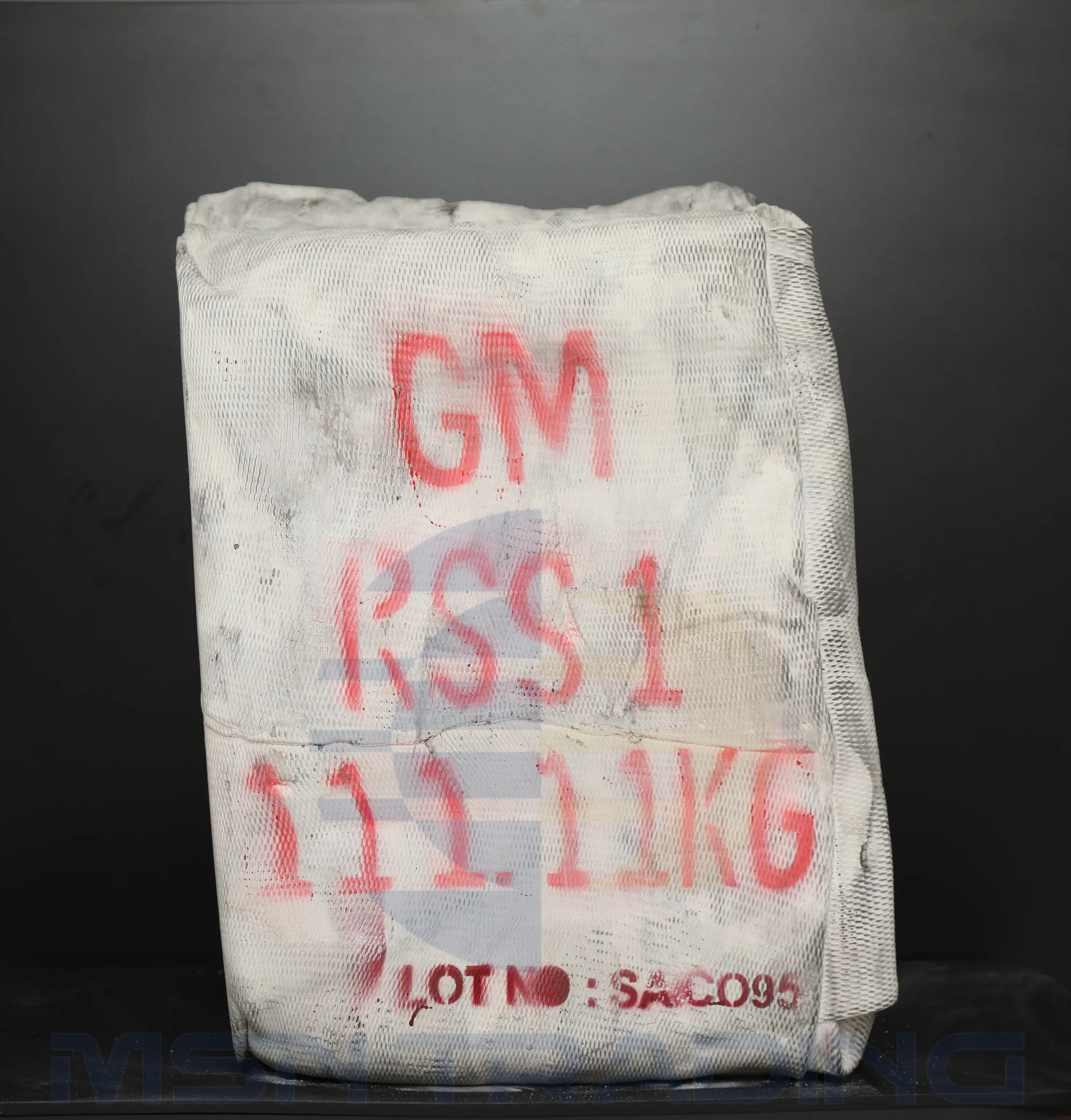
Description
RSS 1 Rubber
RSS 1 rubber is produced from the latex of rubber trees.
Main Forms of Natural Rubber (NR) Processing:
Natural rubber is processed into sheets, crepes, blocks, and latex concentrate. When latex undergoes coagulation—using salts and acids—a white, dough-like mass is obtained.A more modern method involves converting the coagulated latex into granules using rotary blades or cutting between rollers rotating at different speeds. The granules are then dried in mechanical dryers for several hours, compared to the traditional air or wood smoke drying that could take several days.
Drying Methods:
- Air-dried product: called ADS natural rubber
- Smoke-dried sheets: called RSS (Ribbed Smoked Sheets)
The smoked sheets are graded based on specific parameters, with the smoke-dried sheet being the most popular.
Common Grades of RSS Rubber Sheets:
- RSS IX
- RSS 1
- RSS 2
- RSS 3
- RSS 4
- RSS 5
Weights and Packaging:
RSS 1 natural rubber is produced in various countries including Vietnam, Thailand, and Malaysia. Available weights include 111.11 kg, 50 kg, and 33 kg, typically sold in bales. Historically, India and Indonesia were also producers of RSS 1.Applications of RSS 1 Rubber:
- RSS 1X: used in aircraft tires
- RSS 1: used for rubber parts, tires, and tubes
- RSS 2: used for extruded tubes and pipes
- RSS 5: used for low-cost handmade rubber products
Overall, more than 60% of RSS 1 rubber is used in the production of:
-
Various tire components (tread, body, sidewall)
-
Seals and gaskets
-
Tubes and hoses
-
Shock absorbers
-
Rubber foam for furniture and mattresses
-
Rubber sheets and strips
-
Belts and conveyors
-
Washers and shoe soles
-
Sports equipment, stamps, adhesives, bottle nipples, and many medical and engineering applications
Reviews
There are no reviews yet.