
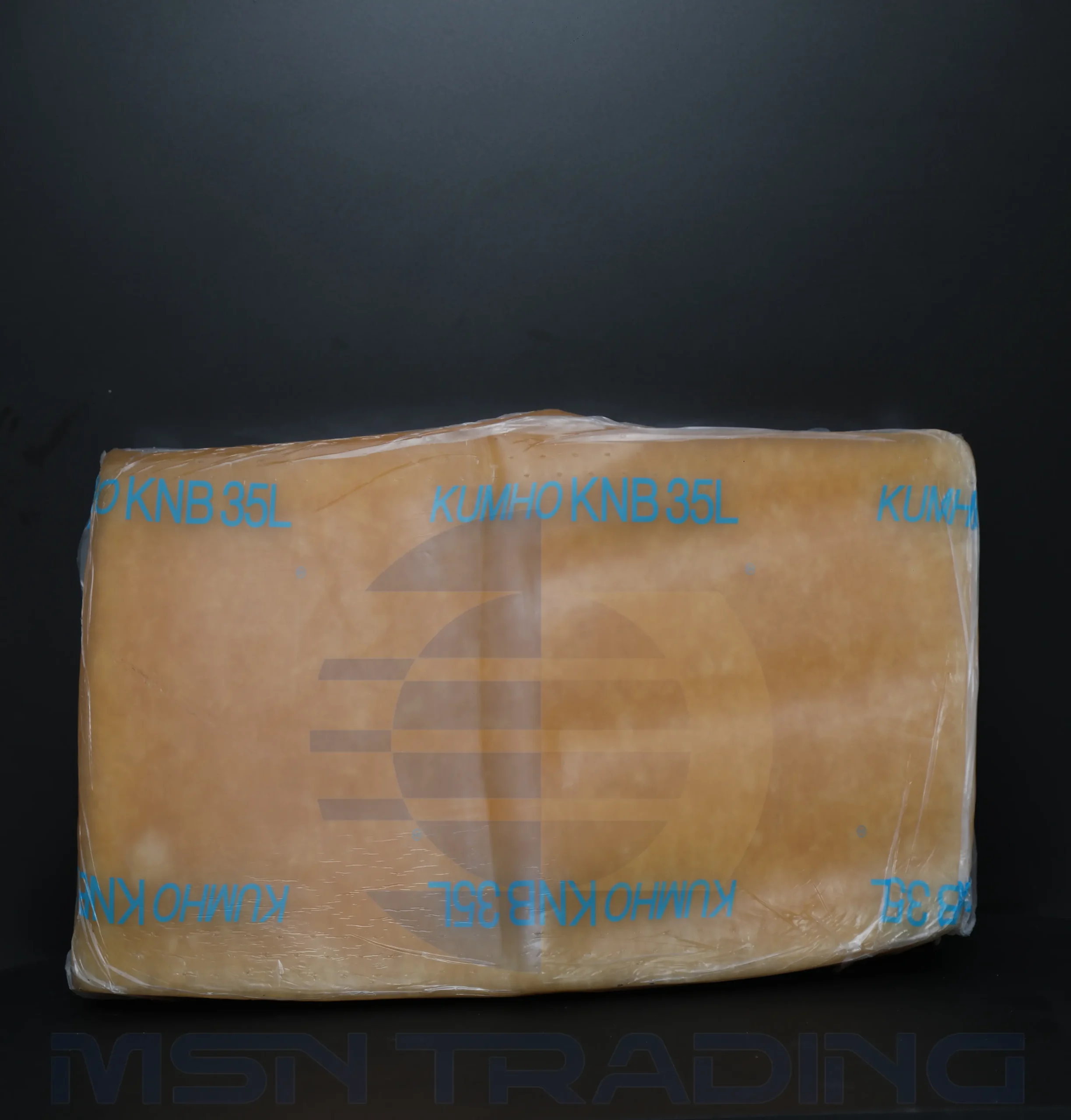
Description
Nitrile Butadiene Rubber (NBR)
Nitrile Butadiene Rubber (NBR), commonly referred to as nitrile rubber, is a unique elastomer. It can be produced by free-radical emulsion polymerization of butadiene with 15–45% acrylonitrile, using either hot polymerization (hot rubber) or cold polymerization (cold rubber). China and Taiwan are among the largest producers of NBR.
NBR grades with high acrylonitrile content offer better oil and abrasion resistance, while grades with lower acrylonitrile content provide greater flexibility and improved low-temperature performance. In general, nitrile rubbers have moderate physical properties but good abrasion resistance and excellent resistance to oils, fuels, and hydrocarbon solvents.
Many properties of NBR can be adjusted by changing the acrylonitrile content. Higher nitrile content increases resistance to hydrocarbons, while lower nitrile content improves low-temperature flexibility. NBR is widely used where excellent oil resistance is required, especially in sealing applications for oils and gasoline (aliphatic hydrocarbons).
Major applications of NBR include gaskets, seals, diaphragms, fuel hoses, linings, tubes, O-rings, and cable jackets. Carboxylated grades are also used in many epoxy formulations as rubber tougheners.
Standard NBR grades typically operate in a temperature range of −25°C to +100°C. Some low-acrylonitrile grades can be used down to −50°C, while certain peroxide-cured grades can withstand temperatures up to +150°C.
Types of Synthetic NBR (Based on Acrylonitrile Content):
- Very High Nitrile Rubber (≥43%)
- High Nitrile Rubber (36%–43%)
- Medium-High Nitrile Rubber (31%–36%)
- Medium Nitrile Rubber (25%–31%)
- Low Nitrile Rubber (<25%)
The NBR family also includes special high-performance grades, such as Acrylonitrile-Butadiene-Isoprene Rubber (NBIR), Carboxylated Nitrile Rubber (XNBR), and powdered and liquid NBR types.
Comparison of Rubber Types:
- NR + SBR: High tensile strength and tear resistance
- NBR: Resistant to abrasion, mineral industrial oils, greases, and heat
HNBR: High resistance to abrasion, pressure, oils, acids, and gasoline
Reviews
There are no reviews yet.