
Description
Polybutadiene Rubber 1220 (PBR)
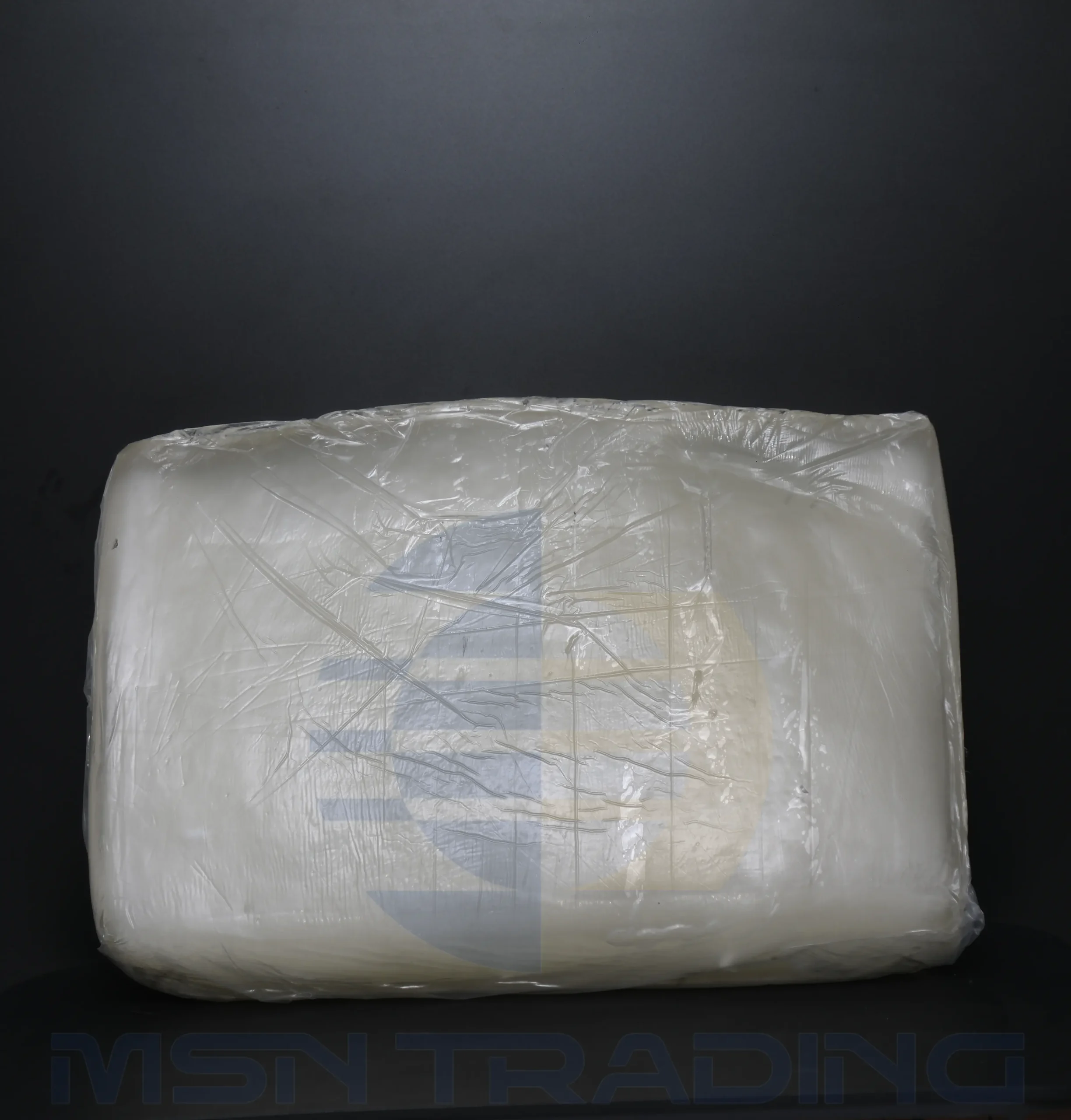
Polybutadiene Rubber 1220 (PBR), short for Poly Butadiene Rubber, is a polymer produced through the polymerization of the 1,3-butadiene monomer. It has high abrasion resistance and is especially used in tire manufacturing. It is also used as an additive to improve mechanical properties.
According to statistics published in 2000, the annual production of polybutadiene rubber exceeded 2 million tons, making it the second most important synthetic rubber after styrene-butadiene rubber (SBR). In 2012, PBR was recognized as the fourth most widely used chemical material in the world.
Polybutadiene rubber was one of the earliest synthetic elastomers to be invented and is very similar to natural rubber (polyisoprene). Its main application is as a substitute for EPDM and for increasing the viscosity of industrial oils.
It is also suitable for applications involving low temperatures. The storage temperature of Polybutadiene Rubber 1220 should not exceed 30°C, and the standard storage period in warehouses is at least one year.
Reviews
There are no reviews yet.